International Patients Welcome
Natural, balanced results planned around your own features
- Home
- Procedures
- face, eyes & nose
- Customized Nose
Customized Nose
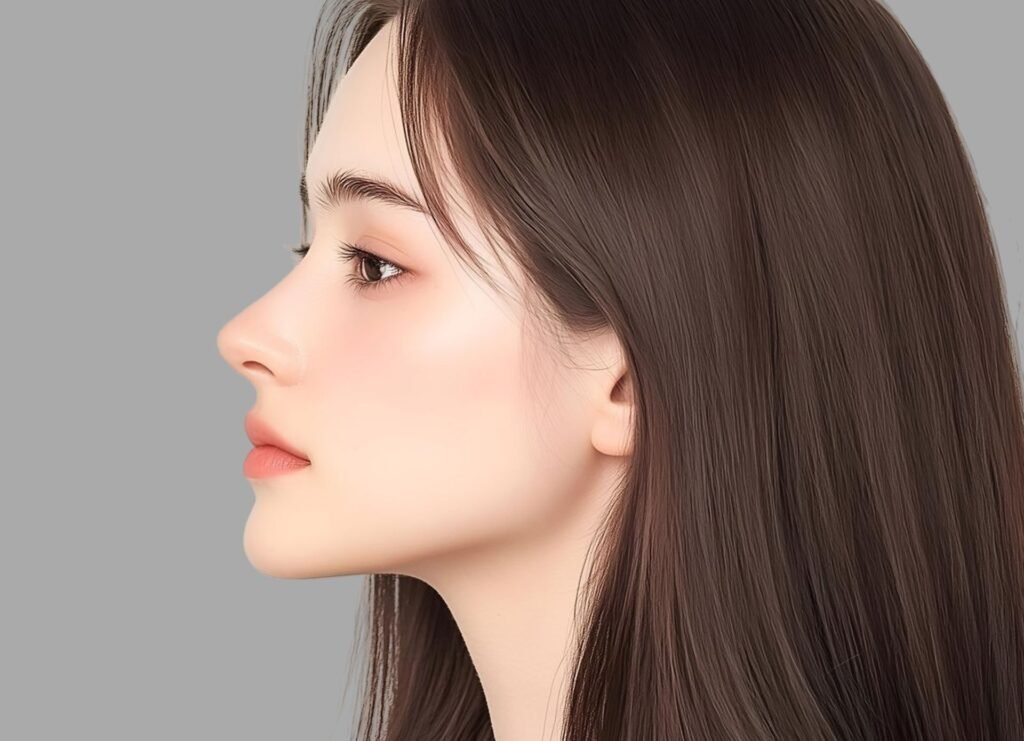
Customized rhinoplasty designs a nose for your face rather than applying a fixed height or shape. WOOA analyses your facial proportions, bone and cartilage structure, skin thickness and nose type, whether hooked, bulbous, short or arrow-shaped, then refines the bridge, tip, nostrils and nasolabial angle selectively for a subtle, natural harmony.
Contents
Why a Customized Nose?
The aim is not a “perfect” nose but a change that looks natural and stays stable within your own facial structure. The same nose shape can respond very differently depending on facial bone width, the distance between eyes and mouth, skin thickness and cartilage elasticity.
Focusing on looks alone may please at first, but the shape can shift or droop over time. Changes are therefore kept within what your cartilage and skin can safely support, keeping both form and function stable for the long term.
suitable Candidates For a Customized Nose
Customized rhinoplasty suits cases that need more detailed correction. It may be right for you if you have:
- A hump nose or a bulbous tip
- A short nose or a drooping, arrow-shaped tip
- A wide or low nasal bridge
- A low or flat nose that looks out of proportion with your features
- A wish for a soft, refined look that blends with your existing face
Why Choose WOOA?
WOOA’s rhinoplasty specialists combine a deep understanding of nasal anatomy with extensive clinical experience. Every case is examined individually to choose the surgical method, bridge height, shape and material, and surgery is performed one-to-one with an anesthesiologist on site, a university-hospital-level safety system and dedicated aftercare.
How are different nose types corrected?
Hump nose: the dorsal hump is carefully shaved or removed, a drooping tip is lifted with your own cartilage, and a wide bridge can be narrowed. Bulbous nose: excess tip cartilage and thick soft tissue are reduced and separated cartilage is sutured together. Short nose: septal cartilage is grafted to lengthen the nose while the tip is lifted. Arrow-shaped (long) nose: elongated cartilage is refined and the tip reshaped. Wide bridge: the nasal bones are brought inward.
How to prepare for surgery
Your consultation team will give you individual instructions, including:
- Tell us about any medical conditions and medicines you take
- Avoid alcohol and smoking from one week before surgery
- Fast for at least 8 hours before surgery
- Wear comfortable clothing and no accessories or nail polish on the day
Recovery and Aftercare Tips
Attend Follow-Up Appointments
- Post-operative check-ups are essential, so please keep to your scheduled visits.
Expect Some Swelling
- Swelling and bruising are usually strongest in the first 48 hours and improve gradually over the following weeks.
Take Medication as Prescribed
- Avoid aspirin-containing medicines for one week after surgery, as they can raise bleeding risk.
Keep Activity Gentle
- Walking is fine, but heavy exercise should wait one month.
Keep the Area Clean
- Before stitch removal, rinse your face gently with water while avoiding the surgical area; cleansers and make-up can be used from the day after stitch removal.
Avoid Alcohol and Smoking
- Avoid both until two months after surgery.
Report Concerns Early
- Contact the clinic straight away about sudden swelling, persistent bleeding or unexpected bruising.
Following these steps helps reduce the risk of bleeding, infection and inflammation and supports a smooth recovery.
FAQ
How Is This Different From Standard Rhinoplasty?
Rather than a set height or shape, customized rhinoplasty is planned around your facial proportions, skin thickness and cartilage structure.
How long is the recovery period?
Swelling and bruising typically last 7 to 10 days, and most people return to daily routines within about a week. The nose looks natural after 1 to 3 months, with final results settling between 6 months and a year.
Are the results long-lasting?
When proper structural support is built, results can be long-lasting, though skin thickness, cartilage elasticity and aftercare all play a part.