International Patients Welcome
Natural, balanced results planned around your own features
- Home
- Procedures
- face, eyes & nose
- Rhinoplasty
what is Rhinoplasty
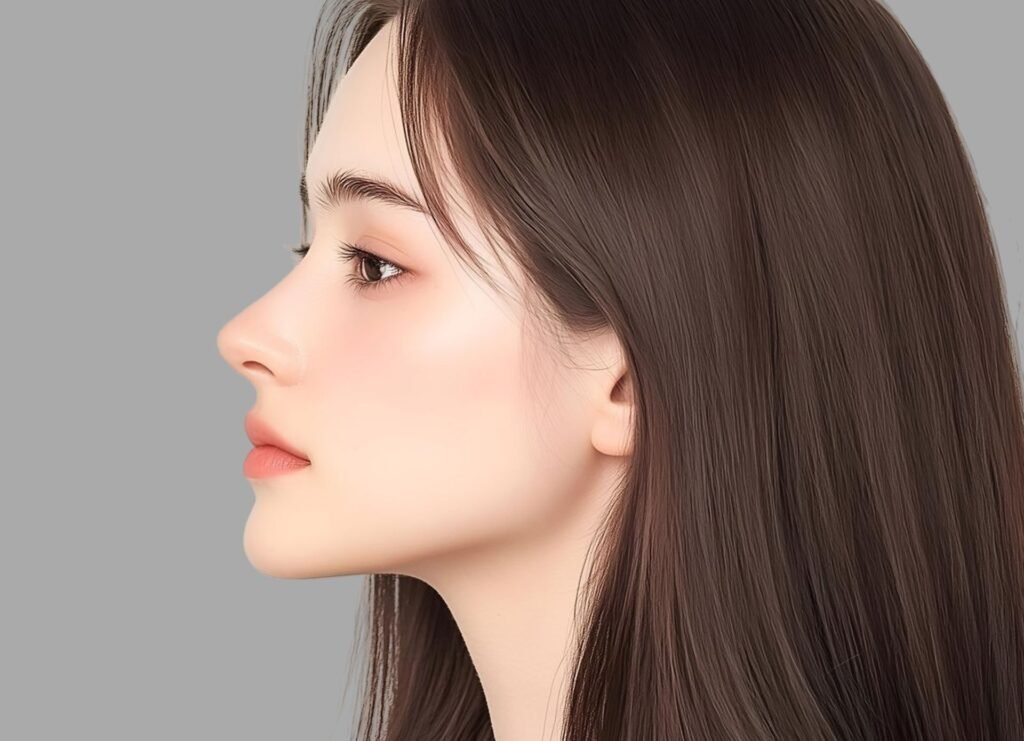
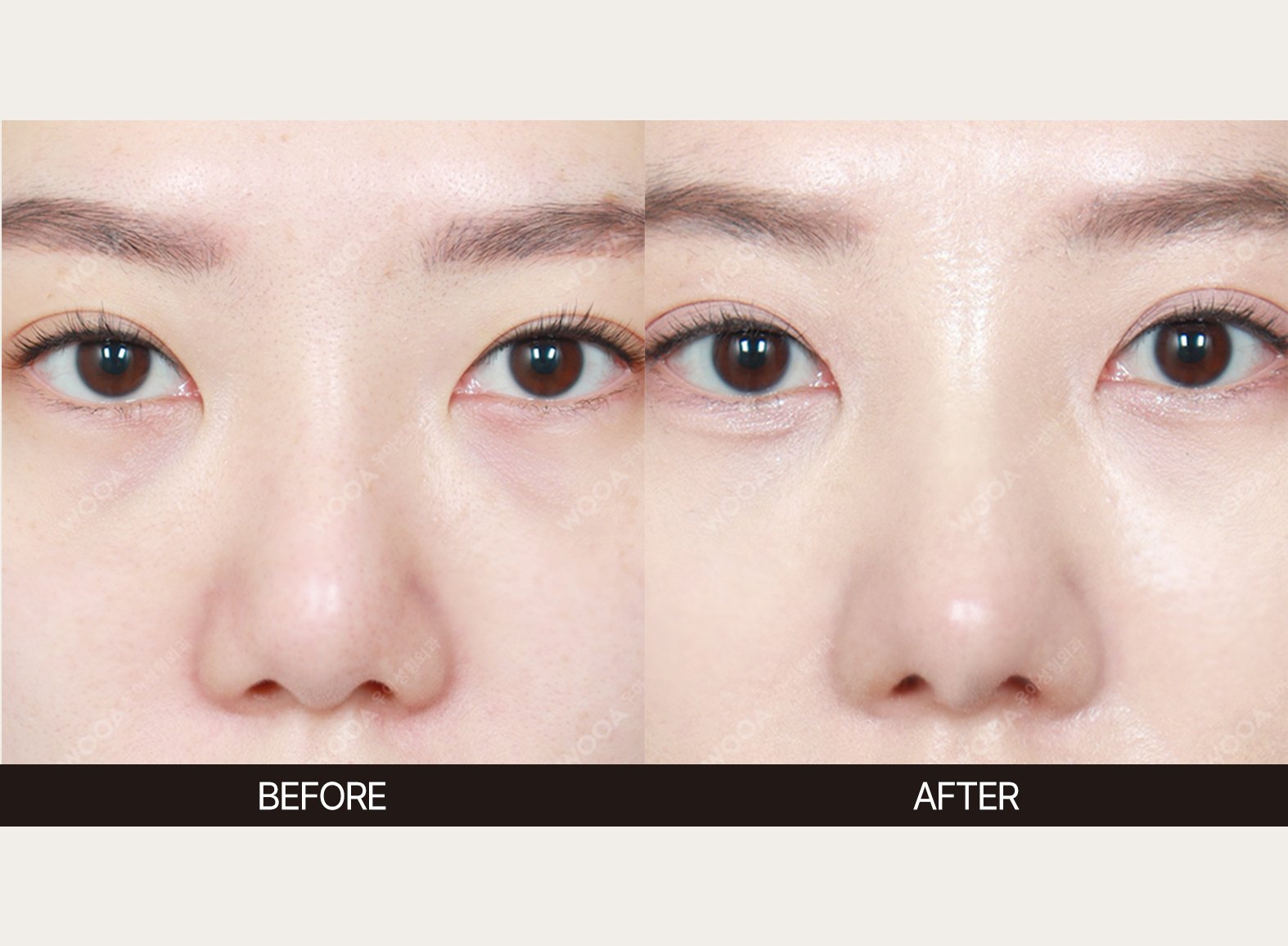
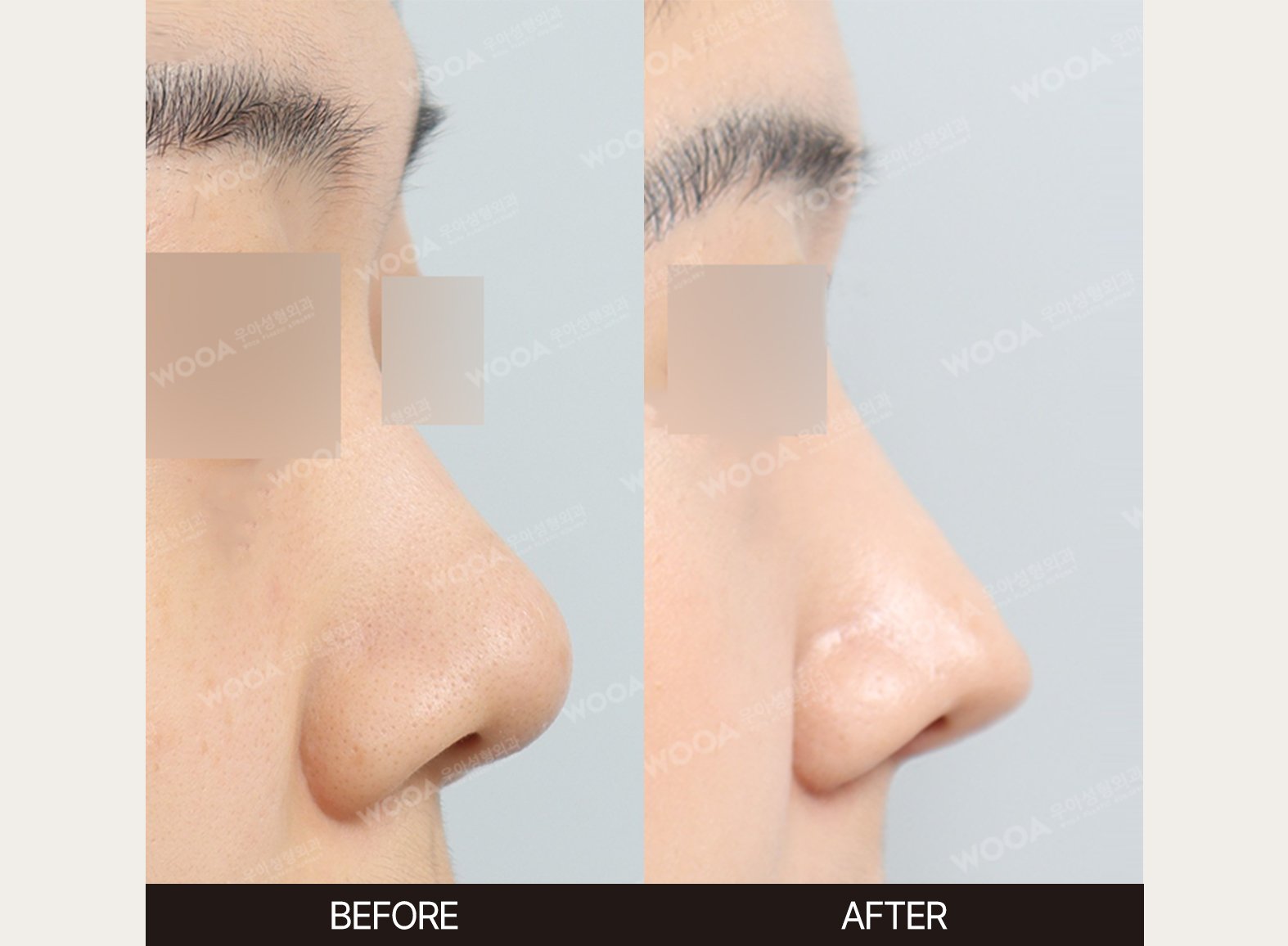
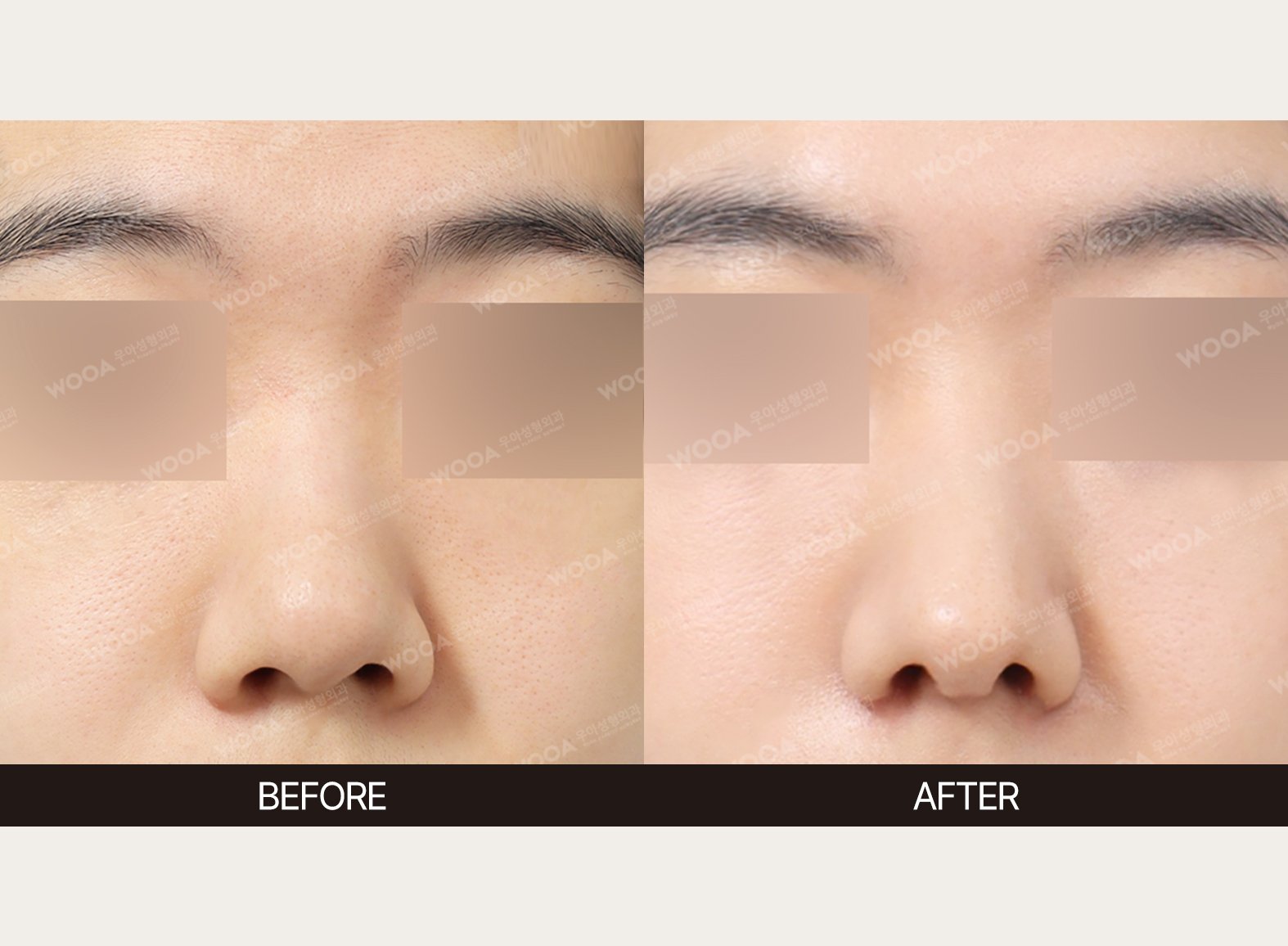
Rhinoplasty balances the height, length, angle, width and function of the nose so it sits in harmony with the rest of the face. Beyond raising the bridge or refining the tip, WOOA takes an anatomical approach that considers the columella, nasal base, cartilage and bone, and it can also treat functional problems such as a deviated septum and breathing difficulty.
Contents
Ideal Candidates for Rhinoplasty
Rhinoplasty may be considered if your nasal bridge is low, your tip droops, your nose seems too long or too short for your face, or your nostrils look wide. It also suits those with breathing problems caused by a deviated septum, people who want a natural, safe result using their own tissue rather than artificial implants, and anyone who wants to minimise the risk of inflammation and side effects.
You can message us on WhatsApp or call our Gangnam, Seoul clinic on +82-1600-5319. We also offer free online consultations with interpreter support.
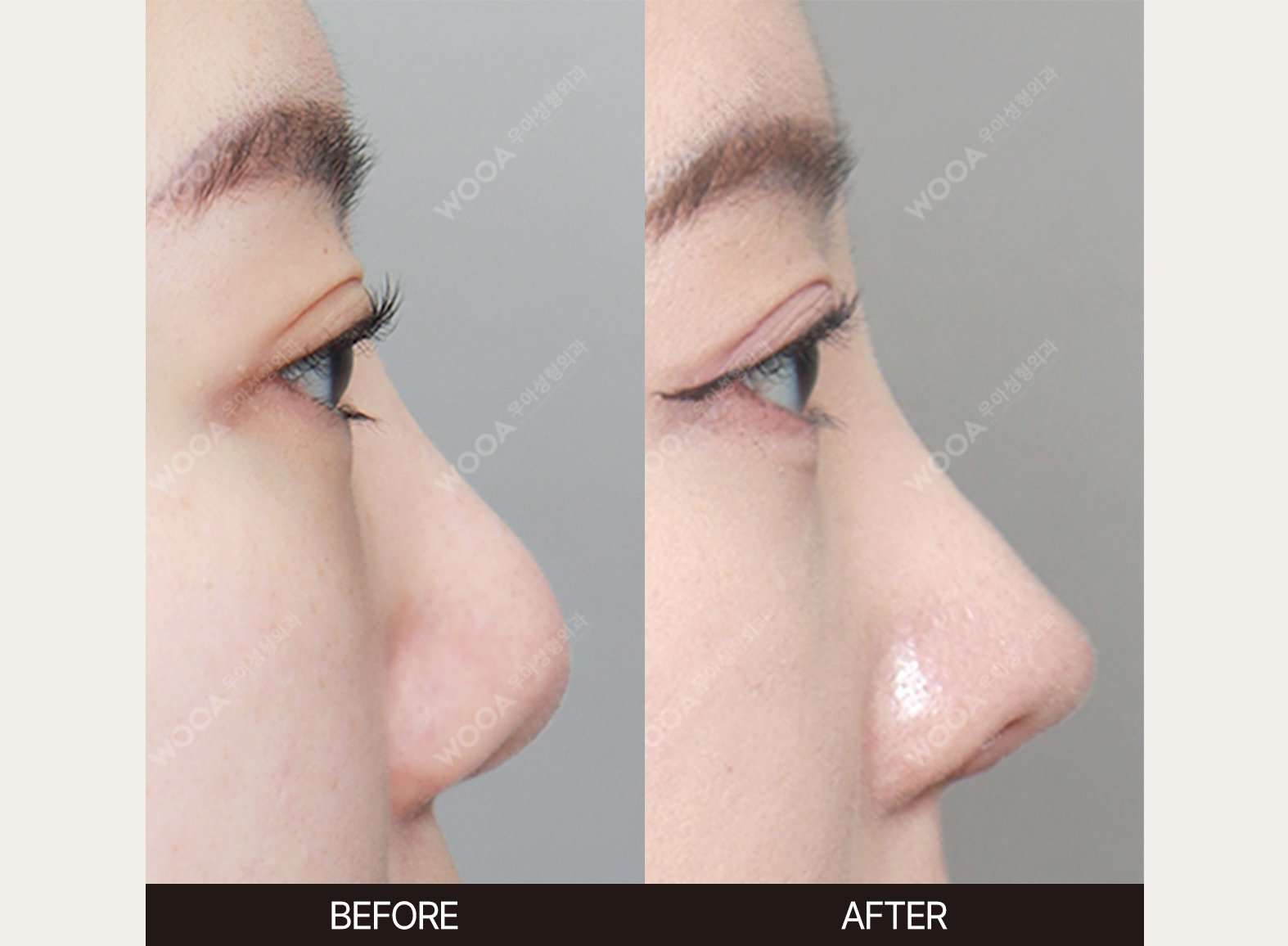
autologous cartilage rhinoplasty at WOOA
Because the nose is the central structure of the face, the condition of bone, cartilage and skin matters more than shape alone. Before surgery the surgeon checks length and height as well as tip support, nostril shape and the central axis of the septum. Overlooking these raises the risk of a drooping tip or asymmetry later; what counts most is not how high the nose goes, but how securely it is supported.
WOOA selects the most suitable autologous (own-tissue) material for each nose: ear cartilage, which is round and flexible and supports the tip; septal cartilage from inside the nose, used to lift or lengthen without another donor site; costal (rib) cartilage, the strongest and most durable support; and autologous dermis, which adds soft padding where skin is thin. Incisions are placed between or inside the nostrils and fade over time.
Length is matched to the vertical one-third balance of the face, bridge height to about one-third of nose length, and the tip angle to the ideal forehead-to-tip (115–130º) and nasolabial (95–105º) angles, while nasal function is fully preserved.
our customized approach
Every nose is analysed according to the individual’s facial features, skin thickness, cartilage elasticity and septal support, because noses that look similar can differ greatly in how much change is safe. WOOA’s rhinoplasty specialist team designs and performs each surgery one-to-one with no proxy surgeons, an anesthesiologist on site, disposable instruments and a university-hospital-level safety system, followed by dedicated aftercare. The aim is a line that suits your whole face and stays stable over time.
Recovery and Aftercare
Initial swelling and bruising usually last 7–10 days, and most people are back to social activities within about a week.
The nose looks natural after 1–3 months, while the final result stabilises over roughly 6 months to a year. Avoid alcohol and smoking from one week before surgery until two months after, keep to gentle exercise such as walking for the first month, and take prescribed medicines as directed.
Follow-up visits are an essential part of recovery, so please attend every scheduled appointment and contact the clinic straight away about any unusual swelling, bleeding or other concerns.
How long do rhinoplasty results last?
Using your own cartilage typically gives long-lasting results. How stable they are depends on tip support, skin thickness and the natural flexibility of your cartilage. Your surgeon will explain the options and fees for your individual plan during a free consultation.