International Patients Welcome
Natural, balanced results planned around your own features
- Home
- Procedures
- face, eyes & nose
- Facial Fat Graft
What is Facial Fat Graft
A facial fat graft takes healthy fat from your own body, purifies it so only living, healthy fat cells remain, and places it carefully where the face has lost volume or definition.
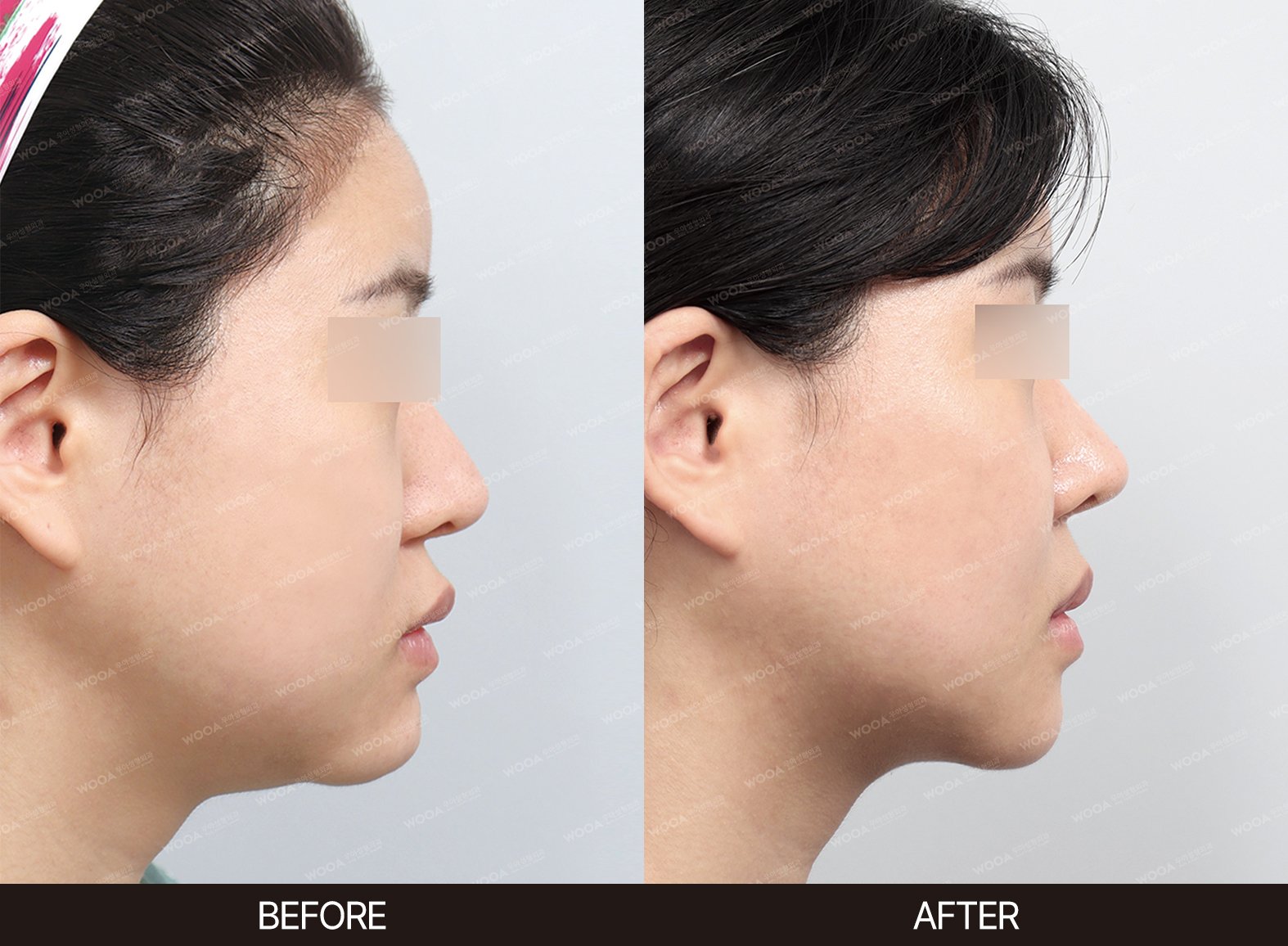
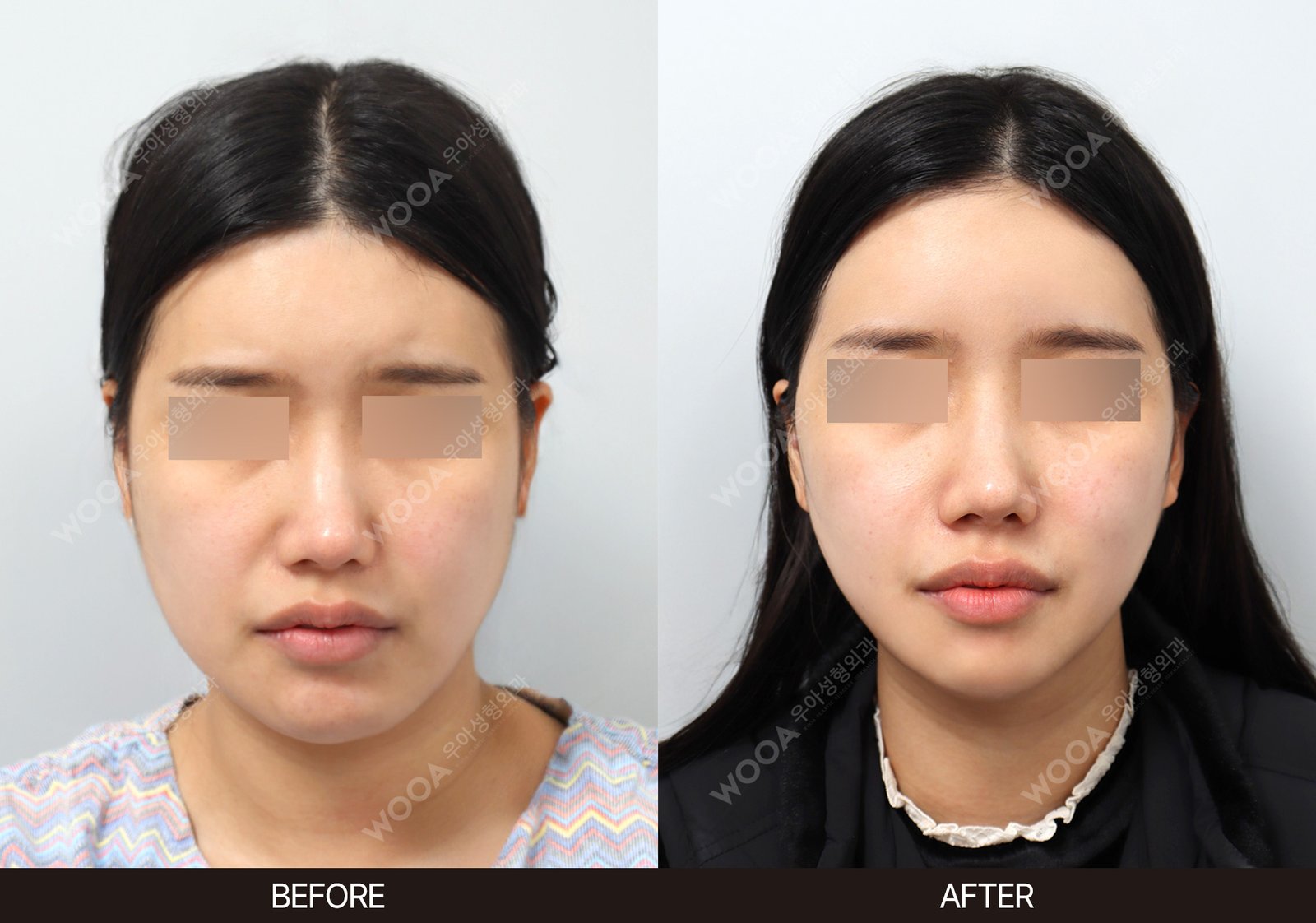
With age the face does not simply empty out: fullness shifts position and fat layers become uneven. Grafting restores hollow or thin areas for a softer, more three-dimensional and youthful contour. The key is avoiding overfilling and placing fat at the right depth and layer so the volume stays stable.
Contents
How WOOA Achieves a High Retention Rate
WOOA uses specialized fat grafting equipment to harvest fat while limiting cell damage, then selects only pure fat rich in healthy, living cells. That fat is injected in small, even amounts across multiple layers rather than in a single large deposit, which supports a higher survival rate and a smooth skin surface.
The same multi-layer technique, together with a collaborative team of specialists, helps keep bruising and swelling to a minimum. Anesthesia is chosen to suit each patient and given under the supervision of an anesthesiologist.
Where a fat graft can help
Fat grafting is especially useful where the face looks tired or older because fullness has been lost, including:
- Cheeks and temples
- Under-eye area
- Nasolabial folds
- Jawline
- Flat or angular facial contours
general Recovery Timeline
THE FIRST WEEK
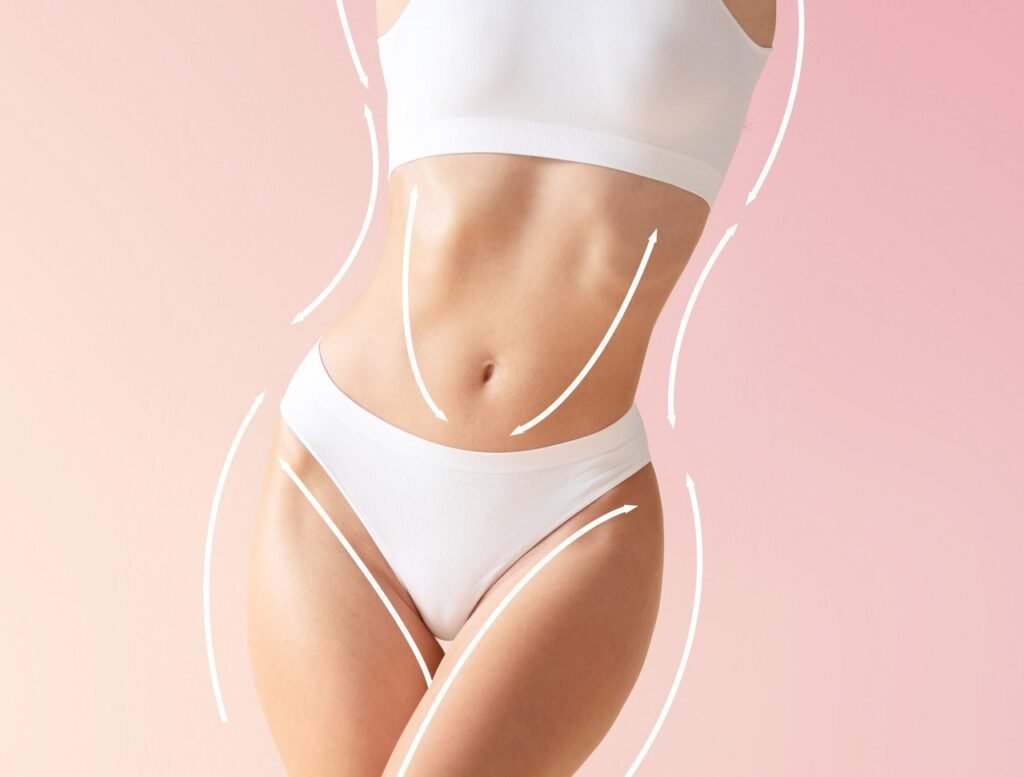
Swelling and light bruising generally settle within 3–7 days. The donor site, usually the thigh, abdomen or flank, tends to cause only mild discomfort, so most patients carry on with daily life without major disruption.
Before stitches are removed, rinse your face gently with water while avoiding the treated area. Cleansers and make-up can be used again from the day after stitch removal. Take prescribed medicines as directed and avoid aspirin-containing products for one week.
TWO TO FOUR WEEKS
Natural facial contours usually settle after around 2–4 weeks. On average 50–70% of the grafted fat survives; this varies with skin quality, injection depth and lifestyle. If any area still lacks volume, a secondary touch-up can be considered.
Gentle walking is fine, but heavy exercise should wait for one month, and alcohol and smoking should be avoided until two months after surgery. Attend every scheduled follow-up and contact the clinic about any unusual changes.
Who is a fat graft recommended for?
A facial fat graft may suit you if:
- Your face looks flat: You feel your features lack definition.
- You want natural volume: You are after a more youthful look without an artificial feel.
- You want a softer image: You would like to soften a sharp or angular impression.
- Your cheeks have hollowed: Volume loss in the cheeks is making you look older.
At consultation your surgeon assesses skin thickness, fat distribution and overall contours to decide which areas to enhance and which to leave untouched.
FAQ
Can too much fat cause lumps or unevenness?
It can, which is why precise, layered placement matters far more than volume. WOOA avoids overfilling and spreads fat in many fine layers, allowing for expected survival rates, to keep results smooth and natural.
Where is the fat taken from?
Usually from areas with stable fat deposits such as the thighs, abdomen or flanks. The site with the best-quality fat is chosen, and only the minimum needed is harvested.
How much of the grafted fat survives?
On average 50–70%. Skin quality, injection depth and lifestyle all play a part, and any remaining shortfall can be addressed with a touch-up if needed.